
hemangioma
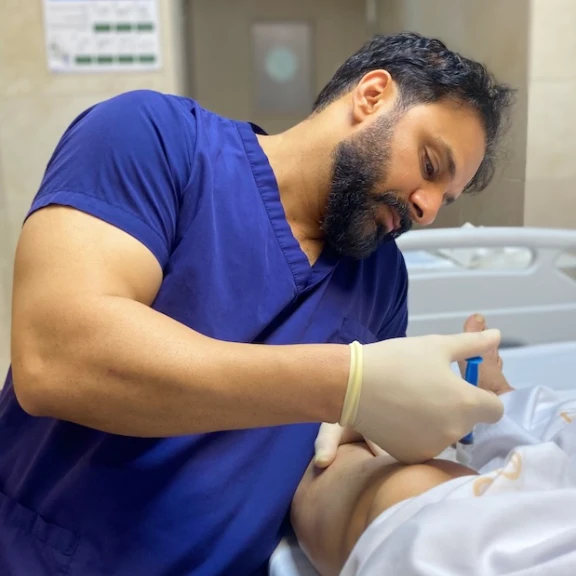
What is a Hemangioma?
A hemangioma is the most common type of benign vascular tumor in infants and children, formed by an abnormal cluster of blood vessels. These masses usually appear in the first days after birth or within the first few weeks of life and generally grow between 6 to 12 months before gradually shrinking.
Although many hemangiomas shrink on their own, some cases require specialized medical intervention—especially when growth is rapid, located in sensitive areas, or causes cosmetic concerns.
Types of Hemangiomas and Their Common Locations
Hemangiomas can appear in different forms, including:
Superficial Hemangioma: Bright red in color, located on the skin surface.
Deep Hemangioma: Blue or purple in color, located within deeper tissues.
Mixed Hemangioma: A combination of superficial and deep lesions.
Common locations for hemangiomas include the face, scalp, trunk, and limbs. Lesions in certain areas may cause pain, bleeding, functional impairment, or cosmetic concerns.
When Should You See a Doctor?
If a hemangioma is growing rapidly, affecting the function of the eyes, mouth, or nose, or is accompanied by bleeding and ulceration, it should be evaluated by a vascular or dermatology specialist. Any lesion that is painful or causes concern for parents requires careful assessment.
Methods for Diagnosing Hemangiomas
Hemangiomas are usually diagnosed through a clinical examination. In some cases that require a more in-depth assessment, diagnostic tools such as:
Doppler Ultrasound
MRI
Angiography
may be used to determine the extent of tissue involvement and the depth of the lesion.
Hemangioma Treatment Methods at Dr. Najd Sepas Clinic
Hemangioma treatment depends on various factors, including the lesion’s location, the patient’s age, growth rate, and severity of symptoms. The treatment methods offered at Dr. Najd Sepas Clinic include:
Medication: Oral beta-blockers such as propranolol, which help reduce the lesion more rapidly.
Sclerotherapy: Injection of a special medication into the mass to decrease the size and volume of the hemangioma.
Laser Therapy: To improve the appearance of superficial lesions or eliminate residual vessels after treatment.
Surgery: In specific cases where the lesion does not respond to medication or causes functional impairment.
Post-Treatment Care and Important Tips for Parents
After hemangioma treatment, following simple guidelines can help speed up recovery:
Use sunscreen with SPF 50.
Consistently apply healing/repair creams as instructed.
Why Choose Dr. Najd Sepas for Hemangioma Treatment?
Dr. Hossein Najd Sepas, a vascular surgery subspecialist, has over 10 years of experience in treating vascular diseases and congenital abnormalities. He uses modern and minimally invasive methods such as sclerotherapy and laser therapy for hemangioma treatment. The presence of a specialized team, advanced equipment, and step-by-step treatment follow-up are key advantages of receiving care at his clinic.
Hemangioma Treatment Portfolio
Specialties and Treatment Areas
Leg Varicose Vein Treatment
Non-surgical treatment of varicose veins using advanced sclerotherapy and laser techniques
Sclerotherapy
A quick and minimally invasive method for treating superficial and spider veins
Laser Therapy
Treatment of port-wine stains, birthmarks, telangiectasia, and vascular lesions
Hemodialysis Access
Creation, repair, and maintenance of vascular access for patients with kidney failure to undergo dialysis
FAQ
Is a Hemangioma Dangerous?
No, most hemangiomas are benign and do not pose a threat to life. However, depending on their location, size, and growth rate, they may require more serious treatment—especially if accompanied by functional impairment, ulceration, or bleeding.
Does a Hemangioma Go Away on Its Own?
Many hemangiomas, especially the infantile type, shrink over time or disappear completely. However, in some cases—particularly if they grow excessively or are located in sensitive areas—treatment with medication, laser therapy, or even surgery may be necessary.
What is the Best Age for Hemangioma Treatment?
Early diagnosis is key to successful treatment. Therapy usually begins in the first months of life, especially if the lesion is actively growing or located in critical areas such as the eyes, mouth, or airway.
Is Hemangioma Treatment Painful or Does It Require Hospitalization?
Most treatment methods, such as medication or sclerotherapy, are performed without hospitalization and involve minimal pain. Depending on the type of treatment, the child may be monitored for a short period. In special or complex cases, treatment may require surgery and additional care.