laser therapy
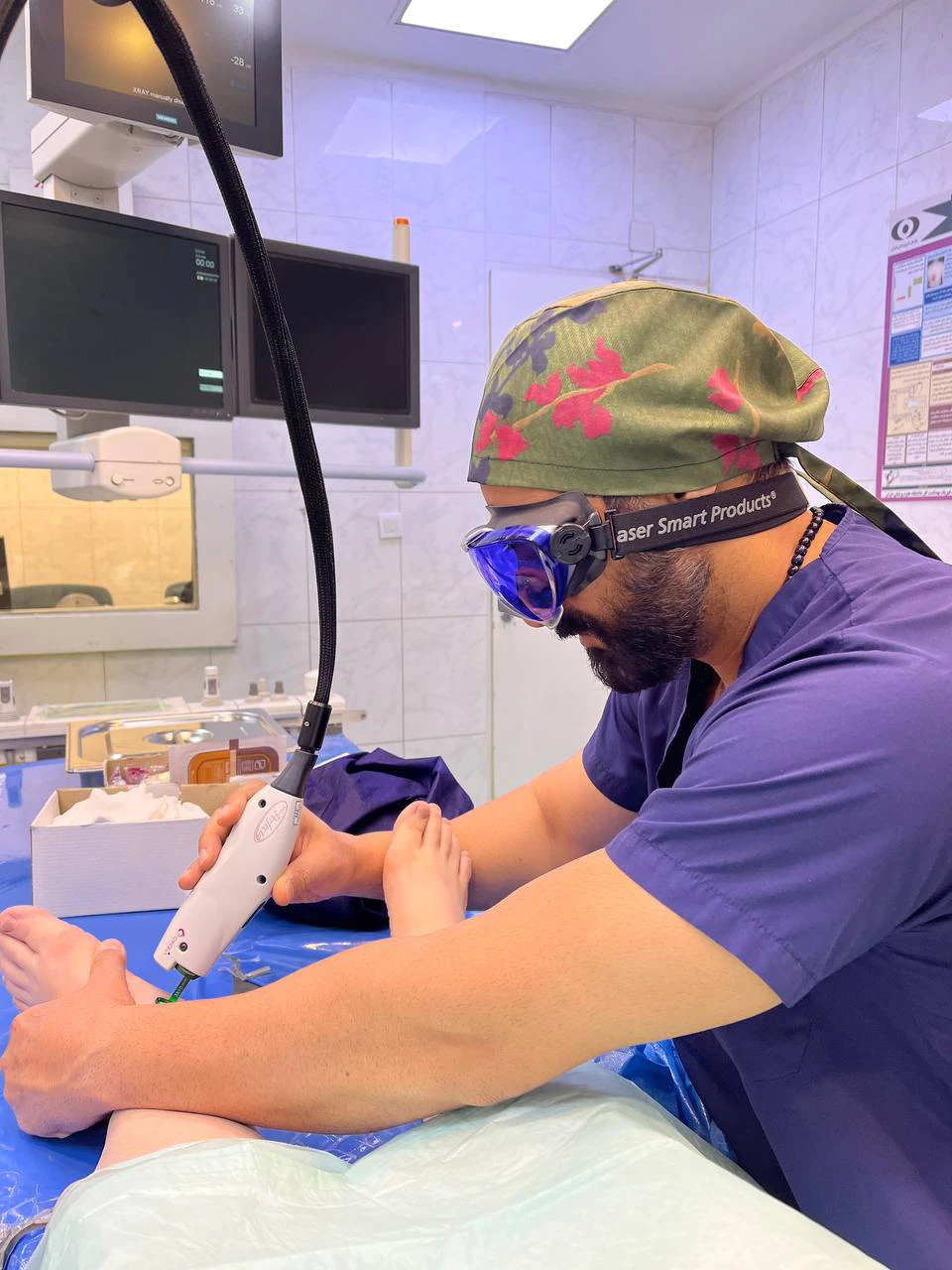
Treatment of Birthmarks (Port-Wine Stains)
Laser therapy is used to treat congenital skin marks, such as brown/black spots and vascular lesions (pink or red marks caused by abnormal blood vessels).
Vascular lesions include port-wine stains and hemangiomas (strawberry-like masses). Laser can be used to remove or reduce the appearance, symptoms, and affected areas of these lesions.
Types of Lasers Used for Treating Port-Wine Stains
Lasers target blood vessels or pigments to treat lesions. They do not cause permanent damage to the surrounding healthy tissue.
Q-Switched YAG laser (QSY)
The Q-Switched Laser (QSY) is used to treat spots caused by:
Aging
Sun damage
Brown spots and other brown/black pigmented lesions
The laser light is absorbed only by cells containing excess pigment. It destroys pigment granules (called melanosomes) without damaging surrounding tissues or affecting the natural skin color.
V-Beam/Candela laser
This laser selectively destroys small blood vessels that cause pink to red appearances on the skin surface, without damaging surrounding tissue or the outer skin layer (epidermis).
It is used to treat:
Vascular lesions
Port-wine stains
Facial spider veins
Flat strawberry hemangiomas in infants
Persistent facial redness, sometimes seen in adolescents
Mild bruising around the treated area usually occurs and lasts about 10 to 14 days.
CO2 (Carbon Dioxide) Laser
The CO2 laser emits a high-intensity beam that instantly vaporizes tissue.
It is used to remove abnormal tissues located above the skin surface.
Often applied for treating facial lesions (e.g., in tuberous sclerosis) and warty spots such as epidermal nevi.
Raised scars can sometimes be smoothed with this laser.
It can also tighten loose areas around scars.
GentleYAG (Long-Pulsed YAG Laser)
This laser produces deep-penetrating infrared light and is used to treat:
Congenital vascular moles composed of blue veins
Hemangiomas that do not flatten adequately before school age
Management of unwanted hair growth
Some temporary swelling around the treated area may occur after treatment.
This laser can also be used to manage unwanted hair growth seen in medical conditions such as polycystic ovary syndrome (PCOS). Multiple treatment sessions are usually required.
Specialties and Treatment Areas
Hemangioma Treatment
Treatment of vascular masses in infants and children with laser therapy and endovascular interventions
Leg Varicose Vein Treatment
Non-surgical treatment of varicose veins using advanced sclerotherapy and laser techniques
Sclerotherapy
A quick and minimally invasive method for treating superficial and spider veins
Hemodialysis Access
Creation, repair, and maintenance of vascular access for patients with kidney failure to undergo dialysis
FAQ
Why Does My Child Need Laser Therapy?
Removing congenital moles early in life, before any potential psychological or medical complications arise, can be beneficial for young children under 4 years old. School-aged children may experience a loss of confidence and low self-esteem due to visible facial marks. In some cases, if congenital moles begin to press on critical structures (such as the eyes, mouth, or airway), they may cause problems.
Will the Patient Experience Significant Pain During This Treatment?
Laser pain feels like a tingling sensation. Most adults can tolerate it, but children may find it more difficult and might need a topical anesthetic or mild sedation.
A numbing cream can be applied to the treatment area, or mild sedation may be used if necessary. In very anxious children or when treating a large area, general anesthesia may be required, and the procedure will take place in an operating room. In this case, your child will be under light general anesthesia, will feel no pain during the procedure, and will have no memory of the treatment afterward.
What Post-Treatment Care is Recommended for the Patient?
After laser therapy, the treated area may be blistered, swollen, red, or bruised. Before going home, hospital staff will advise you on how to manage these effects. Your child may need simple pain relief, such as ice compresses or ibuprofen syrup. If the area develops blisters, antibiotic ointment or special dressings may be required to promote healing.