sclerotherapy
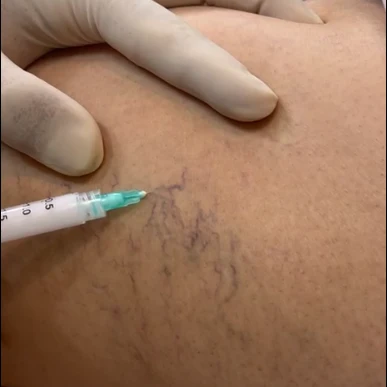
Telangiectasia or Spider Veins
Spider veins can appear on the face or other areas of the body, but are most commonly seen on the thighs and calves, especially in fair-skinned women. Women with spider veins often experience discomfort.
Spider veins, or telangiectasias, are small blood vessels that appear red or purple and are visible due to their proximity to the skin surface.
Who Typically Develops Telangiectasia?
Age 20 to 40 years
Genetic factors
Hormonal changes
Physical inactivity
Obesity
Pregnancy
Women with fair skin
Sclerotherapy Treatment Methods
Sclerotherapy involves injections with a very fine needle to improve the cosmetic appearance of spider veins, treat small varicose veins in the legs, and relieve associated symptoms such as pain, burning, swelling, and cramping. Each treatment session typically eliminates 50 to 80 percent of the injected veins.
Dermatology guidelines require female patients to confirm they are not pregnant before undergoing sclerotherapy. Imaging studies of venous flow may be necessary depending on the distribution of the veins.
Minimal Discomfort and Side Effects After Sclerotherapy
Most patients experience minimal discomfort, and there is no “downtime” or recovery period with this procedure. Patients can resume normal activities almost immediately. Some swelling, pain, or bruising may occur, which can cause temporary skin discoloration. Additionally, patients receive instructions from a dermatologist or vascular surgeon regarding wearing compression stockings or support for a period after treatment to maintain pressure on the treated veins. Multiple sessions or follow-up maintenance treatments are usually required for optimal cosmetic results.
Complications and Treatment Duration for Varicose Veins
Some side effects may occur after sclerotherapy. Larger injected varicose veins may feel firm for several months before resolving. Raised red areas may appear at the injection site and should disappear within a few days. Brown lines or spots may also appear at injection sites; in most cases, they fade within three to six months, but in about five percent of cases, they may persist and require laser treatment. Bruising around the injection site can occur and may last several days to weeks.
In general, spider veins respond to sclerotherapy within three to six weeks, while larger veins respond within three to four months. Once veins respond to treatment, they do not typically reappear. However, new veins may develop over time, and additional injections may be needed if necessary.
How Does Sclerotherapy Improve Patients’ Quality of Life?
By eliminating surface veins and improving the appearance of the skin, patients gain greater self-confidence. Additionally, bothersome physical symptoms such as pain, heaviness, and itching are reduced, leading to an improved quality of daily life.
The Role of Maintenance Sessions in Treating Spider Veins
Initial treatment may lead to a significant reduction in spider veins, but to maintain long-term results, some patients require annual or seasonal maintenance sessions. These sessions help prevent the formation of new veins or allow for timely treatment if new veins appear.
Specialties and Treatment Areas
Hemangioma Treatment
Treatment of vascular masses in infants and children with laser therapy and endovascular interventions
Leg Varicose Vein Treatment
Non-surgical treatment of varicose veins using advanced sclerotherapy and laser techniques
Laser Therapy
Treatment of port-wine stains, birthmarks, telangiectasia, and vascular lesions
Hemodialysis Access
Creation, repair, and maintenance of vascular access for patients with kidney failure to undergo dialysis
FAQ
Is Sclerotherapy Painful?
Sclerotherapy is performed using a very fine needle and usually involves minimal pain or only a mild stinging sensation. Most patients tolerate it easily, and anesthesia is typically not required.
Can I Resume Daily Activities After Sclerotherapy?
Yes. Most patients can return to work and normal activities immediately after treatment. You only need to follow your doctor’s instructions regarding wearing compression stockings and avoiding strenuous activities for a few days.
Are Sclerotherapy Results Permanent?
Veins that are successfully treated usually do not return, but new veins may appear over time. If needed, additional or maintenance sessions can be performed.
When Will the Results of Sclerotherapy Be Visible?
Small veins typically fade within 3 to 6 weeks. For larger veins, it may take 3 to 4 months. Results depend on skin type, disease severity, and the body’s response to treatment.